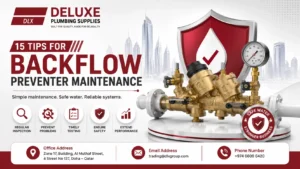
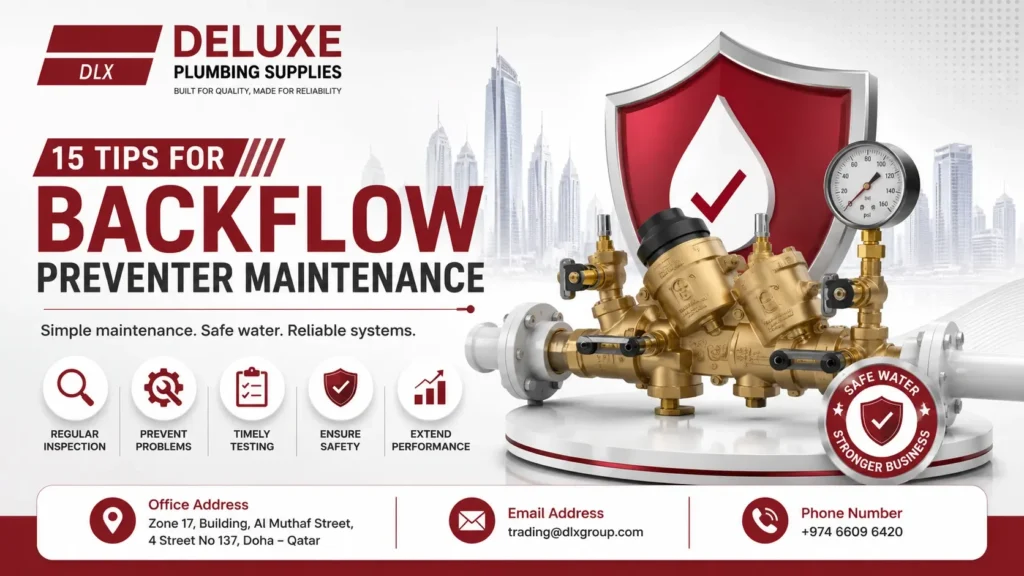
Backflow preventer maintenance helps protect drinking water, support reliable plumbing performance, and reduce the risk of costly system problems. A well-maintained assembly should be inspected, cleaned, tested, and repaired when needed.
For commercial properties, maintenance is especially important because backflow prevention equipment may serve hotels, hospitals, industrial facilities, shopping malls, schools, towers, and irrigation systems.
In this guide, you will learn how often to inspect a backflow preventer, how to identify leaks and damage, why testing matters, when replacement is better than repair, and how to choose suitable equipment when an assembly reaches the end of its useful service life.
What Is Backflow Preventer Maintenance and Why Does It Matter?
Backflow preventer maintenance is the regular inspection, cleaning, testing, and servicing of a backflow prevention assembly. It matters because the device helps stop unwanted reverse flow from entering a clean water supply.
A neglected assembly can develop leaks, corrosion, blocked components, damaged valves, or performance problems. Regular care helps keep the system dependable and can identify small problems before they become larger plumbing failures.
For commercial plumbing systems, maintenance should be treated as part of the wider water-safety program rather than as a one-time repair.
How Often Should You Inspect a Backflow Preventer?
A backflow preventer should be visually inspected on a regular schedule and tested according to applicable local requirements and the manufacturer’s instructions. The exact testing interval can vary by location, assembly type, system risk, and regulations.
During routine inspection, look for:
- Water around the assembly
- Corrosion or mineral buildup
- Damaged fittings
- Loose connections
- Missing caps or covers
- Unusual discharge
- Physical impact or other visible damage
Keep a maintenance record showing inspection dates, test results, repairs, and replacement parts. Good records make recurring maintenance easier to manage.
How Can You Keep the Backflow Preventer Clean?
Keeping the assembly clean helps you see developing problems and prevents dirt or debris from interfering with components. Start with a visual inspection, then remove surface dirt carefully using appropriate cleaning methods.
Avoid aggressive cleaning products or methods that could damage seals, coatings, or sensitive components. The correct cleaning approach depends on the assembly and manufacturer instructions.
Cleaning should also include the surrounding area. A backflow preventer installed in a dirty, wet, or cluttered location can be harder to inspect and more vulnerable to damage.
How Do You Check for Leaks and Visible Damage?
Checking for leaks is one of the simplest and most useful maintenance steps. Examine the body, joints, fittings, valves, test ports, and nearby pipe connections for signs of water or deterioration.
Look for:
- Persistent moisture
- Water stains
- Dripping connections
- Corroded metal
- Cracked or damaged components
- Unusual discharge
Do not ignore a small leak simply because the system is still operating. A minor leak may indicate a damaged seal, loose connection, pressure problem, or component that requires professional service.
Why Should You Inspect Shutoff Valves and Connections?
Shutoff valves and pipe connections are important parts of the overall backflow prevention installation. A backflow assembly cannot provide dependable service if surrounding components are damaged or poorly maintained.
Check that valves and connections show no obvious damage, leakage, corrosion, or signs of mechanical stress. Also inspect the pipework around the assembly for movement or unsupported sections.
If a connection repeatedly loosens or leaks, investigate the underlying cause instead of repeatedly tightening it without understanding the problem.
How Can You Protect the Assembly From Corrosion?
Corrosion can weaken metal components and shorten equipment life, especially where moisture, chemicals, poor drainage, or harsh environmental conditions are present.
Keep the installation area dry and reasonably clean. Make sure drainage is adequate and avoid storing corrosive materials directly around the assembly.
During inspection, look for:
- Rust or discoloration
- Surface pitting
- Corroded fasteners
- Damaged protective coatings
- Deteriorated fittings
Severe corrosion should be assessed by a qualified professional because cleaning alone may not restore the structural integrity of the component.
Why Is Backflow Preventer Testing Essential?
Testing confirms whether a backflow preventer is operating as intended. Visual inspection can identify obvious problems, but it cannot replace functional testing.
Testing is particularly important for commercial systems where reliable backflow protection supports water safety and system management. The required method and frequency depend on the assembly, installation, jurisdiction, and applicable requirements.
Do not assume that a clean-looking valve is automatically functioning correctly. A professional test provides information about actual performance.
What Should You Check After Testing or Repairs?
After testing or service, verify that the assembly and surrounding system have been returned to proper operating condition. Check for leaks, unusual discharge, damaged fittings, or other signs of trouble.
Keep documentation of:
- Test date
- Test results
- Repairs performed
- Parts replaced
- Technician or service information
- Recommended follow-up date
This information creates a useful maintenance history and can help identify recurring problems over time.
For larger commercial facilities, organized maintenance records can also make it easier for facility teams to plan inspections and equipment replacement.
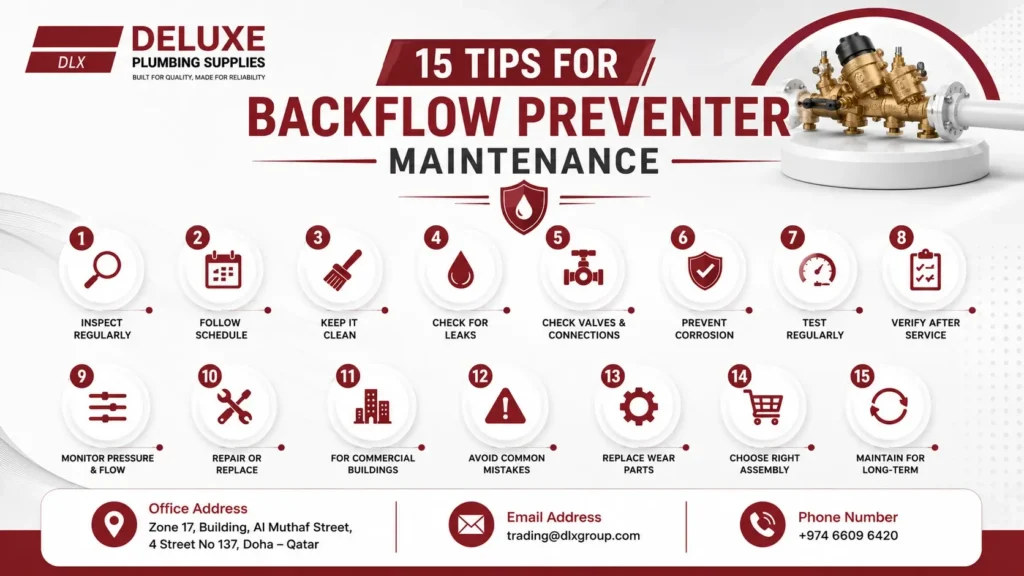
How Can You Prevent Pressure and Flow Problems?
Pressure and flow problems can affect the performance of plumbing equipment and may indicate a wider system issue. A sudden change in normal water behavior should not be ignored.
Watch for unusual pressure readings, reduced flow, unexpected discharge, or other changes after maintenance or system modifications.
If the building’s water system has been changed, expanded, or upgraded, review whether the existing backflow assembly remains suitable. A device selected for one operating condition may not be appropriate after major system changes.
When Should You Repair or Replace a Backflow Preventer?
Repair may be suitable when an individual serviceable component has failed, and the main assembly remains in good condition. Replacement becomes more appropriate when the device has severe corrosion, repeated failures, major damage, obsolete components, or no longer suits the system.
A simple decision guide is:
| Condition | Typical consideration |
| Minor service issue | Inspect and repair |
| Worn service component | Replace component |
| Repeated failures | Evaluate full assembly |
| Severe corrosion | Consider replacement |
| Major physical damage | Consider replacement |
| Incorrect application | Select a suitable assembly |
The goal is not to replace equipment unnecessarily. It is to maintain dependable protection while considering safety, serviceability, operating conditions, and long-term cost.
Which Maintenance Practices Help Commercial Buildings Most?
Commercial buildings benefit most from a structured maintenance routine that combines inspection, testing, documentation, and timely repair. Backflow prevention equipment is commonly used across environments such as hotels, healthcare facilities, industrial sites, malls, schools, commercial towers, and irrigation systems.
A practical commercial routine includes:
- Schedule regular visual inspections.
- Keep the assembly and surrounding area clean.
- Record test and service results.
- Monitor recurring leaks or performance issues.
- Replace damaged components promptly.
- Review equipment suitability after system changes.
When several commercial plumbing systems need equipment replacement, working with a reliable plumbing-supply provider can simplify product selection and procurement.
What Mistakes Can Damage a Backflow Preventer?
Common maintenance mistakes include ignoring small leaks, using unsuitable cleaning chemicals, skipping required testing, forcing valves, and delaying replacement of severely damaged components.
Another mistake is choosing equipment based only on connection size. A suitable backflow preventer also needs to match the application, hazard level, system conditions, and required protection.
For example, commercial product guides commonly distinguish between assemblies such as DCVA, RPZ, and PVB/AVB for different applications and protection requirements.
Which Backflow Preventer Parts May Need Replacement?
Replacement needs depend on the assembly and the condition of individual components. Serviceable parts may include valves, seals, fittings, test components, fasteners, and other manufacturer-specific parts.
Before ordering a part, identify the exact assembly and model. Check the manufacturer’s specifications and confirm compatibility rather than choosing a visually similar component.
For a complete assembly, confirm important details such as:
- Assembly type
- Connection size
- Application
- Operating conditions
- Required protection level
- Installation requirements
This reduces the risk of installing equipment that does not match the system.
How Can You Choose the Right Replacement Assembly?
The right replacement backflow preventer should match the plumbing application, required protection, connection requirements, operating conditions, and applicable standards. Product selection should begin with the system rather than simply choosing the largest or most expensive valve.
For commercial projects, consider where the equipment will be installed and what it protects. Hotels, hospitals, industrial facilities, malls, schools, towers, and irrigation systems may have different requirements.
Deluxe Plumbing Supplies can be positioned as a commercial plumbing-supply resource for customers comparing backflow prevention equipment and related products. The supplied brand materials emphasize safe water, contamination prevention, compliance, and reliable performance as key product benefits.
What Is the Best Maintenance Routine for Long-Term Protection?
The best backflow preventer maintenance routine combines regular inspection, careful cleaning, functional testing, accurate records, timely repairs, and appropriate replacement. No single maintenance action is enough on its own.
Use this simple routine:
- Inspect the assembly and surrounding pipework.
- Clean visible dirt and keep the area accessible.
- Check valves, fittings, and connections.
- Look for leaks and corrosion.
- Test the assembly according to applicable requirements.
- Record service and test results.
- Repair problems before they become major failures.
- Replace equipment when repair is no longer practical.
- Review equipment suitability after system changes.
- Source compatible replacement equipment when needed.
Regular maintenance protects more than the valve itself. It supports the wider goal of keeping commercial water systems reliable and reducing the risk of contamination or unexpected plumbing problems.
If your existing backflow preventer needs replacement, start by identifying the assembly type, application, connection requirements, and operating conditions. Then compare suitable commercial backflow prevention products from a trusted plumbing-supply source such as Deluxe Plumbing Supplies.
Frequently Asked Questions
How often should a backflow preventer be maintained?
Inspect your backflow preventer regularly and test it according to the assembly type, manufacturer instructions, and local requirements. Check for leaks, corrosion, damaged fittings, and unusual discharge. Keep records of inspections, testing, repairs, and replacement parts.
What are signs that a backflow preventer needs repair?
Common signs include leaks, corrosion, unusual discharge, damaged valves, loose connections, and changes in pressure or flow. Repeated problems may require professional evaluation. Address small leaks early because they can indicate damaged seals, connections, or internal components.
Why is backflow preventer testing important?
Testing confirms whether the backflow preventer is functioning properly. A visual inspection cannot verify internal performance. Testing requirements vary by assembly type, location, system risk, and regulations. Follow applicable requirements and the manufacturer’s testing recommendations for reliable protection.
When should a backflow preventer be replaced?
Consider replacement when the assembly has severe corrosion, major damage, repeated failures, obsolete components, or no longer suits the plumbing system. Minor problems may only require repairs. Always confirm the application, connection size, protection level, and operating conditions before replacement.
How do I choose a backflow preventer for commercial use?
Choose equipment based on the property’s application, required protection, connection size, operating conditions, and applicable standards. Different commercial environments have different needs. Deluxe Plumbing Supplies can help customers identify suitable backflow prevention equipment for their specific plumbing requirements.